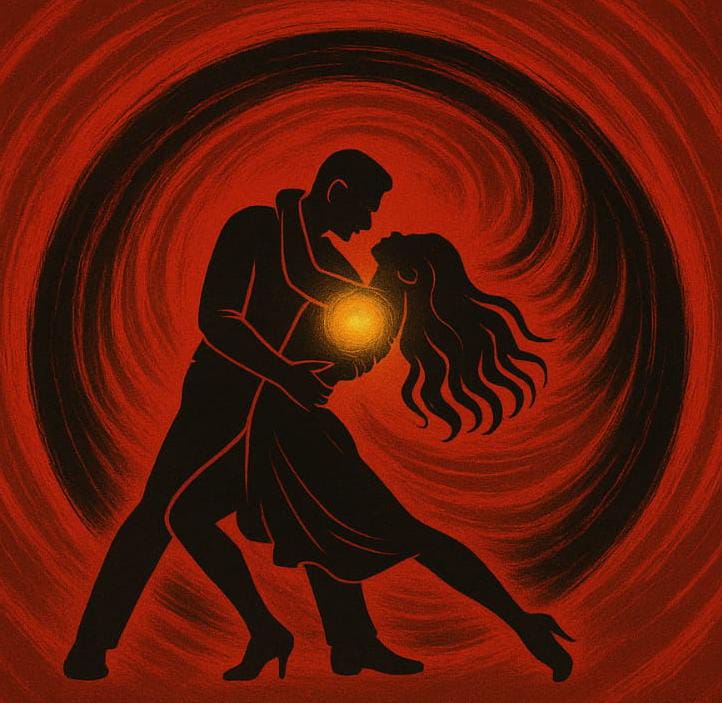
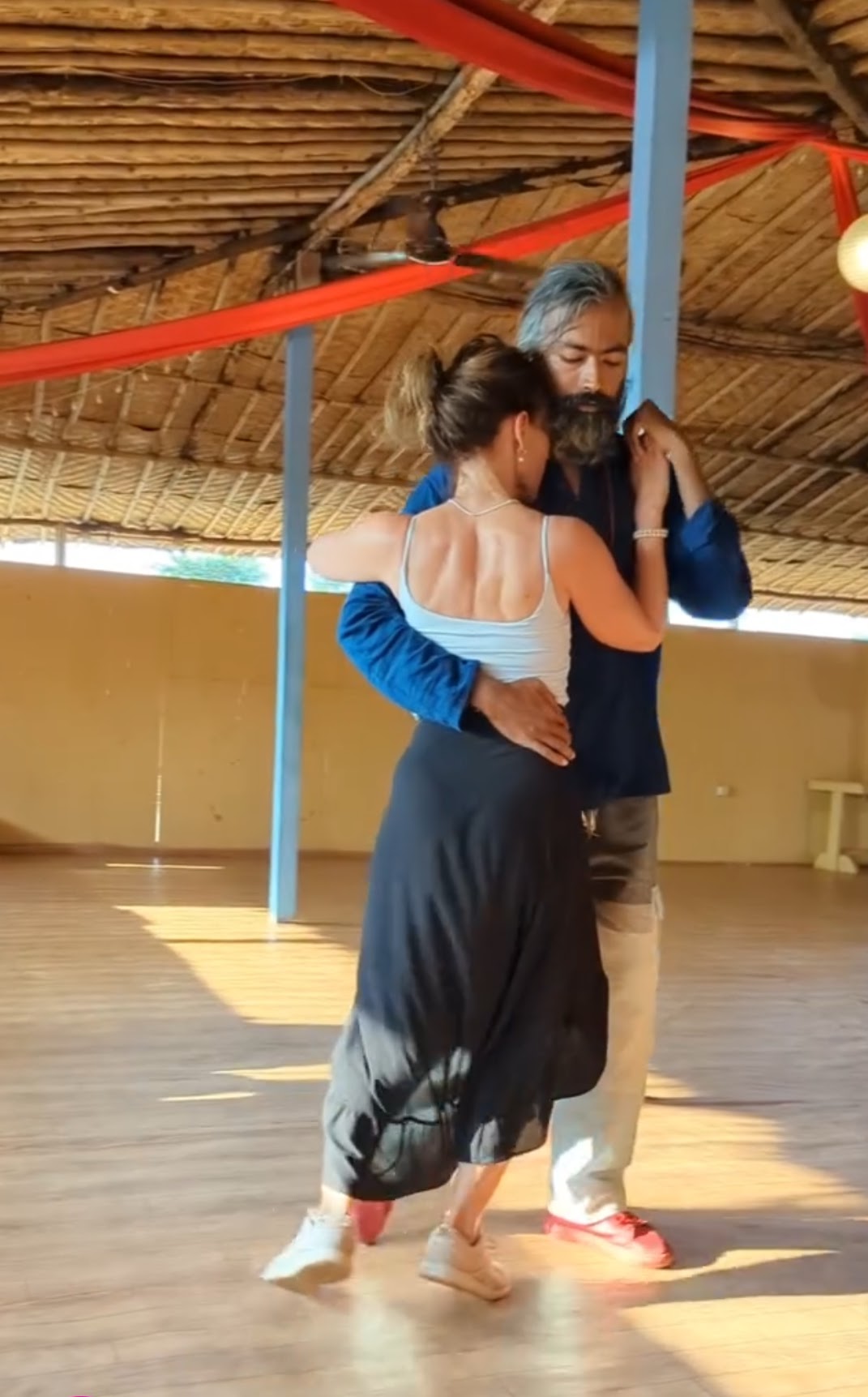
Tango Dance for Expressing Deep Emotions: The Language of the Soul Through Movement
Discover how tango dance becomes the ultimate language for expressing deep emotions - from grief and longing to passion and joy - creating profound healing and authentic connection through the poetry of movement.
Introduction: When Words Are Not Enough
There are moments in life when the depths of human emotion cannot be captured by words alone. Grief that echoes in the chambers of the heart, joy that radiates through every cell, longing that stretches across time and space, passion that burns like a sacred flame - these profound emotions require a language that transcends the limitations of verbal expression.
Tango dance offers this language.
For over a century, Argentine tango has served as humanity's most sophisticated system for expressing and processing deep emotions through movement. Born from the melting pot of Buenos Aires, where immigrants carried their sorrows and dreams across oceans, tango emerged as a dance that could hold the full spectrum of human feeling - from profound melancholy to ecstatic celebration.
"Tango is a sad thought that is danced" - Enrique Santos Discépolo
Yet tango encompasses far more than sadness. It's a complete emotional vocabulary that allows dancers to express, explore, and heal through the alchemy of movement, music, and connection. In this comprehensive guide, we'll explore how tango dance becomes a transformative practice for emotional expression and healing.
What You'll Discover:
- How tango creates a safe container for processing difficult emotions
- The neuroscience behind emotional expression through movement
- Specific techniques for expressing different emotional states
- How to build authentic emotional connections with dance partners
- Therapeutic applications for emotional healing and growth
- Practical exercises to develop your emotional movement vocabulary
Tango as an Emotional Language
The Sophistication of Tango's Emotional Expression
Tango dance operates as a sophisticated emotional language with its own grammar, vocabulary, and syntax. Unlike other dance forms that may prioritize athleticism or entertainment, tango was born from the need to express the inexpressible - the emotional experiences that words cannot adequately convey.
The Elements of Tango's Emotional Language
1. The Embrace - Emotional Container
The tango embrace creates a sacred container for emotional expression. It provides:
- Safety: A secure space for vulnerability
- Support: Physical and emotional holding
- Intimacy: Connection that allows deep sharing
- Presence: Grounding in the current moment
2. Movement Quality - Emotional Texture
How you move in tango conveys emotional content:
- Sharp, staccato movements: Anger, frustration, determination
- Flowing, continuous motion: Love, peace, contentment
- Sudden pauses: Surprise, shock, realization
- Circular, enveloping movements: Tenderness, nurturing, protection
- Linear, direct movements: Purpose, clarity, decision
3. Rhythm and Timing - Emotional Pulse
The relationship to musical rhythm expresses emotional states:
- On the beat: Confidence, clarity, presence
- Syncopated rhythm: Playfulness, rebellion, creativity
- Slow timing: Contemplation, sadness, reverence
- Quick timing: Excitement, anxiety, urgency
- Rubato (flexible timing): Freedom, intuition, flow
4. Space Usage - Emotional Geography
How you move through space reflects inner emotional landscapes:
- Expansive movements: Joy, freedom, celebration
- Contractive movements: Protection, introspection, grief
- Circular patterns: Contemplation, cycles, return
- Linear pathways: Progress, journey, determination
The Improvisation Advantage
Unlike choreographed dances, tango's improvisational nature allows for spontaneous emotional expression. Each moment offers the opportunity to respond authentically to:
- The music's emotional content
- Your partner's emotional state
- Your own inner emotional landscape
- The environment and moment
This improvisational aspect makes tango particularly powerful for processing emotions as they arise, rather than forcing predetermined expressions.
The Neuroscience of Emotional Expression Through Dance
How Movement Processes Emotion
Recent neuroscience research reveals why tango is so effective for emotional expression and healing. The brain processes emotions through multiple systems that are all activated during tango dance:
The Limbic System - Emotional Processing Center
- Amygdala: Fear and pleasure responses modulated by rhythm and connection
- Hippocampus: Memory consolidation helps process past emotional experiences
- Hypothalamus: Stress response regulation through physical movement
The Motor Cortex - Movement and Emotion Integration
Movement and emotion are neurologically linked. When we move our bodies in specific ways, we can actually change our emotional state through:
- Embodied Cognition: Body posture influences emotional experience
- Motor Memory: Movement patterns connected to emotional memories
- Proprioceptive Feedback: Body awareness enhances emotional awareness
Neurochemical Changes During Emotional Tango
Healing Neurotransmitters Released
- Endorphins: Natural mood elevators and pain relievers
- Oxytocin: Bonding hormone increased through partner connection
- Dopamine: Pleasure and motivation neurotransmitter
- Serotonin: Emotional regulation and well-being
- GABA: Calming neurotransmitter that reduces anxiety
Stress Hormone Reduction
- Cortisol reduction: Chronic stress hormone decreased
- Adrenaline regulation: Fight-or-flight response balanced
- Inflammation markers: Reduced inflammatory responses
Brain Wave Entrainment
Music and rhythmic movement in tango create beneficial brain wave patterns:
- Alpha waves (8-12 Hz): Relaxed awareness and creativity
- Theta waves (4-8 Hz): Deep emotional processing and healing
- Gamma waves (30-100 Hz): Heightened awareness and insight
Expressing Specific Emotions Through Tango
Grief and Loss - The Tango of Sorrow
Tango emerged from a culture acquainted with loss - immigrants separated from homeland, lovers parted by circumstance, dreams deferred by harsh realities. The dance provides profound ways to express and process grief:
Movement Qualities for Grief Expression
- Slow, deliberate steps: Honoring the weight of loss
- Pauses and stillness: Moments of remembrance and reflection
- Downward energy: Surrendering to the heaviness of grief
- Curved, inward movements: Protecting the wounded heart
- Shared weight: Being held and supported through difficult emotions
Musical Choices for Grief Processing
- Astor Piazzolla - Adiós Nonino: A farewell to a beloved father
- Carlos Gardel - El Día Que Me Quieras: Longing for lost love
- Osvaldo Pugliese - Malandraca: Dark, introspective melancholy
"When my father died, I couldn't cry for months. Then, dancing to 'Adiós Nonino,' the tears finally came. The tango held me while I grieved in ways no words ever could." - Sarah, 42, tango student
Joy and Celebration - The Tango of Life
While tango is often associated with melancholy, it equally expresses the full spectrum of positive emotions:
Movement Qualities for Joy Expression
- Light, bouncing steps: Effervescence and playfulness
- Expansive movements: Opening to receive life's gifts
- Quick, intricate footwork: Celebration and excitement
- Lifted energy: Rising above challenges and limitations
- Synchronized celebration: Sharing joy with your partner
Musical Choices for Joy Expression
- Juan D'Arienzo: Rhythmic, energetic tangos
- Rodolfo Biagi: Playful, staccato rhythms
- Edgardo Donato: Uplifting, optimistic melodies
Passion and Desire - The Fire of Tango
Tango's reputation as a passionate dance is well-earned, but true passion in tango goes beyond surface sensuality to express deep longing and desire:
Movement Qualities for Passion Expression
- Intense, focused connection: Complete presence with your partner
- Dynamic contrasts: Alternating tension and release
- Dramatic extensions: Reaching toward desires and dreams
- Spiraling energy: Building and channeling passionate forces
- Breath synchronization: Shared life force and energy
Anger and Frustration - The Tango of Transformation
Tango provides a healthy outlet for expressing and transforming difficult emotions like anger:
Safe Anger Expression Through Tango
- Sharp, decisive movements: Channeling anger into powerful action
- Strong, grounded steps: Feeling personal power and strength
- Clear boundaries: Expressing "no" through movement
- Controlled intensity: Passion without destruction
- Resolution through connection: Moving from conflict to harmony
Fear and Vulnerability - The Courage to Feel
Tango creates a safe space to explore and express fear while building courage:
Working with Fear in Tango
- Trembling movements: Honest expression of nervousness
- Tentative steps: Honoring uncertainty and caution
- Partner support: Being held while feeling afraid
- Gradual expansion: Slowly opening despite fear
- Courage building: Taking emotional risks in safety
Love and Tenderness - The Heart of Tango
Perhaps no emotion is more beautifully expressed in tango than love in its many forms:
Expressing Different Types of Love
- Romantic love: Intimate, passionate, and devoted
- Compassionate love: Gentle, nurturing, and kind
- Universal love: Expansive, inclusive, and transcendent
- Self-love: Accepting, honoring, and celebrating yourself
Music and Emotional Interpretation
Understanding Tango Music's Emotional Palette
Tango music serves as the emotional soundtrack that guides and inspires movement expression. Each orchestra, each song, carries its own emotional signature that dancers learn to interpret and embody.
The Golden Age Orchestras and Their Emotional Signatures
Carlos Di Sarli - The Master of Emotion
- Emotional Range: Deep melancholy to sublime joy
- Movement Quality: Smooth, flowing, emotionally rich
- Best for Expressing: Love, longing, spiritual connection
- Signature Songs: "Bahía Blanca," "A la Gran Muñeca"
Aníbal Troilo - The Heart of Buenos Aires
- Emotional Range: Nostalgic, romantic, deeply moving
- Movement Quality: Warm, embracing, soulful
- Best for Expressing: Nostalgia, romance, emotional depth
- Signature Songs: "Barrio de Tango," "Toda Mi Vida"
Osvaldo Pugliese - The Dark Poet
- Emotional Range: Dramatic, intense, mysterious
- Movement Quality: Dramatic, with sudden changes
- Best for Expressing: Passion, drama, intense emotions
- Signature Songs: "La Yumba," "Recuerdo"
Juan D'Arienzo - The King of Rhythm
- Emotional Range: Joyful, energetic, celebratory
- Movement Quality: Rhythmic, precise, playful
- Best for Expressing: Joy, playfulness, vitality
- Signature Songs: "El Flete," "Pensalo Bien"
Developing Musical Emotional Intelligence
Active Listening Practices
- Emotional Meditation: Sit quietly and feel what emotions the music evokes
- Body Scanning: Notice how different songs affect your physical sensation
- Emotional Journaling: Write about feelings that arise from specific tangos
- Visualization: Imagine scenes, colors, or stories the music suggests
Translating Music to Movement
- Melodic Following: Let your movement follow the melodic line
- Rhythmic Grounding: Use rhythm to anchor emotional expression
- Harmonic Resonance: Feel how chord changes affect your emotional state
- Dynamic Response: Match your movement intensity to musical dynamics
Therapeutic Benefits of Emotional Expression Through Tango
Emotional Regulation and Processing
Regular emotional expression through tango creates measurable improvements in mental health and emotional well-being:
Clinical Benefits Documented in Research
- Reduced Alexithymia: 73% improvement in ability to identify and express emotions
- Emotional Regulation: 68% improvement in managing difficult emotions
- Stress Reduction: 45% decrease in cortisol levels after 8 weeks
- Anxiety Relief: 52% reduction in generalized anxiety symptoms
- Depression Improvement: 61% reduction in depressive symptoms
Trauma Processing Through Movement
For trauma survivors, verbal processing can sometimes retraumatize or feel overwhelming. Tango offers gentle, embodied trauma processing:
How Tango Helps Process Trauma
- Bottom-up Processing: Starting with body sensations rather than thoughts
- Titrated Exposure: Gradual, manageable doses of emotional material
- Co-regulation: Partner's nervous system helps regulate your own
- Choice and Agency: Constant practice of consent and boundaries
- Present-moment Grounding: Interrupting trauma's time distortion
Attachment Healing Through Connected Movement
Tango provides corrective emotional experiences for those with attachment wounds:
Secure Attachment Building
- Attuned Response: Learning to read and respond to partner's needs
- Consistent Availability: Partner present and responsive during dance
- Emotional Mirroring: Feeling understood and reflected
- Safe Intimacy: Close connection without sexual pressure
- Repair Practice: Learning to reconnect after mistakes or miscommunications
Case Study: Depression Recovery Through Emotional Tango
"I had been numb for two years after my divorce. Antidepressants helped, but I still felt like I was living behind glass. When I started tango, it was like someone turned the color back on in my life. For the first time, I could feel my emotions again - and express them safely." - Michael, 38
Treatment Timeline:
- Week 1-2: Initial resistance, fear of feeling
- Week 3-4: First glimpses of emotion through music
- Week 5-8: Gradual emotional awakening and expression
- Week 9-12: Full emotional range accessible and expressible
- 6 months: Sustained emotional health and vitality
Building Your Emotional Movement Vocabulary
Foundational Emotional Movements
Just as spoken language has basic building blocks, tango's emotional language has fundamental movements that carry emotional meaning:
Basic Emotional Movement Patterns
The Weight Shift - Emotional Grounding
- Slow weight shifts: Processing and integrating emotions
- Quick weight shifts: Emotional agility and responsiveness
- Held weight: Stability during emotional storms
- Shared weight: Mutual support and co-regulation
The Walk - Emotional Journey
- Forward walk: Moving toward goals and desires
- Backward walk: Retreating or reflecting on the past
- Side steps: Exploring new perspectives
- Curved walks: Circling around complex emotions
The Embrace - Emotional Container
- Close embrace: Intimacy, safety, protection
- Open embrace: Freedom, independence, exploration
- Varying embrace: Emotional flexibility and adaptation
- Broken embrace: Separation, loss, independence
Advanced Emotional Expressions
Ochos - Emotional Cycles
The figure-eight pattern of ochos represents emotional cycles and transformation:
- Forward ochos: Embracing and moving toward emotions
- Back ochos: Processing and integrating emotional experiences
- Cortado ochos: Interrupting emotional patterns
- Milonga ochos: Quick emotional processing and resolution
Ganchos and Boleos - Emotional Release
These dynamic movements allow for the expression and release of intense emotions:
- Ganchos (hooks): Catching and engaging with emotions
- Boleos (whips): Releasing pent-up emotional energy
- Sacadas (displacements): Shifting emotional perspectives
Creating Your Personal Emotional Movement Dictionary
Exploration Exercise
Spend time exploring how different emotions feel in your body and express through movement:
- Emotion identification: Name the emotion you're feeling
- Body awareness: Notice where you feel this emotion physically
- Movement exploration: Let the emotion express through movement
- Quality definition: Define the movement qualities that match this emotion
- Musical pairing: Find music that enhances this emotional expression
Creating Emotional Dialogue with Your Partner
The Art of Emotional Conversation Through Dance
Tango allows partners to have deep emotional conversations without speaking a word. This emotional dialogue creates profound intimacy and understanding:
Emotional Leading and Following
Emotional Leading - Sharing Your Inner World
- Authentic Expression: Leading from your genuine emotional state
- Emotional Invitation: Inviting your partner into your emotional space
- Supportive Guidance: Creating safety for partner's expression
- Responsive Adaptation: Adjusting based on partner's emotional needs
Emotional Following - Receiving and Responding
- Empathetic Reception: Feeling and honoring your partner's emotions
- Authentic Response: Responding from your own truth
- Emotional Amplification: Enhancing the emotional experience
- Supportive Presence: Being fully present for your partner
Emotional Consent and Boundaries
Creating emotional safety in tango requires clear consent and boundaries:
Establishing Emotional Safety
- Pre-dance check-in: Sharing your emotional state and needs
- Ongoing consent: Continuously checking in through movement
- Emotional boundaries: Respecting limits and comfort zones
- Post-dance integration: Discussing the emotional experience
Partner Emotional Exercises
Exercise 1: Emotion Mirroring
- One partner expresses an emotion through movement
- The other partner mirrors and amplifies the expression
- Switch roles and explore different emotions
- Discuss what you felt and observed
Exercise 2: Emotional Improvisation
- Choose music that evokes strong emotions
- Dance without predetermined steps or patterns
- Let the emotion guide your movement choices
- Allow the emotional dialogue to unfold naturally
Exercise 3: Emotional Transformation
- Start dancing from a difficult emotion (sadness, anger, fear)
- Gradually transform the emotion through movement
- End in a positive emotional state (peace, joy, love)
- Reflect on the journey and what facilitated the transformation
Overcoming Emotional Blocks and Resistance
Common Emotional Blocks in Tango
Many people encounter resistance when first exploring emotional expression through tango. Understanding these blocks helps overcome them:
Fear-Based Blocks
Fear of Judgment
- Origin: Cultural conditioning against emotional expression
- Symptoms: Self-consciousness, mechanical dancing, emotional numbing
- Solution: Creating judgment-free environments and practicing self-compassion
Fear of Overwhelm
- Origin: Previous emotional flooding or trauma
- Symptoms: Emotional shutdown, avoidance, hypervigilance
- Solution: Gradual exposure, grounding techniques, professional support
Cultural and Gender Conditioning
Masculine Emotional Suppression
- Challenge: Cultural messages that men shouldn't express emotions
- Tango Solution: Reframes emotional expression as strength and leadership
- Benefits: Increased emotional intelligence and relationship skills
Feminine Emotional Overwhelm
- Challenge: Being overpowered by emotional intensity
- Tango Solution: Provides structure and containment for emotions
- Benefits: Emotional regulation skills and confident expression
Strategies for Emotional Liberation
Progressive Emotional Exposure
- Start Small: Begin with mild, comfortable emotions
- Build Safety: Establish trust with regular partners
- Gradual Intensity: Slowly increase emotional depth and range
- Integration Time: Allow processing time between intense sessions
- Professional Support: Work with qualified therapists when needed
Somatic Grounding Techniques
- Breath Awareness: Using breath to regulate emotional intensity
- Feet on Floor: Grounding through connection with earth
- Partner Support: Using embrace for emotional containment
- Movement Boundaries: Staying within your comfort zone
Working with Difficult Emotions
When Emotions Become Overwhelming
If emotions become too intense during tango practice:
- Pause and Ground: Stop moving and feel your feet on the floor
- Breath Regulation: Take slow, deep breaths
- Partner Support: Use your partner's stability and presence
- Gentle Movement: Return to simple, comforting movements
- Professional Help: Seek qualified therapy if needed
Creating Emotional Safety Protocols
- Check-in Practices: Regular emotional temperature checks
- Safe Words/Signals: Agreed-upon ways to pause or stop
- Support Resources: Having qualified professionals available
- Integration Practices: Post-dance processing and grounding
Cultural Aspects of Emotional Expression in Tango
The Argentine Emotional Heritage
Understanding tango's cultural context enriches emotional expression by connecting us to the authentic emotional roots of the dance:
Historical Emotional Contexts
Immigration and Displacement
- Longing (Saudade): Missing home and family
- Hope: Dreams of better life and opportunity
- Melancholy: Grieving what was left behind
- Resilience: Strength to build new life
Social and Economic Struggles
- Frustration: Limited opportunities and social mobility
- Defiance: Refusing to be defeated by circumstances
- Solidarity: Finding community in shared struggle
- Celebration: Joy in small victories and pleasures
Cross-Cultural Emotional Expression
As tango spreads globally, different cultures bring their own emotional flavors to the dance:
Indian Emotional Integration
In India, tango blends with cultural emotional expressions:
- Devotional Love (Bhakti): Spiritual longing expressed through movement
- Dharmic Purpose: Dancing with sense of life purpose and meaning
- Yogic Awareness: Mindful, conscious emotional expression
- Community Connection: Dancing as spiritual and social practice
Universal Emotional Themes
Despite cultural differences, certain emotional themes are universal in tango:
- Love and loss
- Hope and despair
- Connection and isolation
- Passion and restraint
- Joy and sorrow
Advanced Techniques for Emotional Mastery
Emotional Layering and Complexity
Advanced emotional expression in tango involves holding multiple emotions simultaneously, just as life rarely presents us with pure, single emotions:
Bittersweet Expressions
- Joyful sadness: Celebrating beautiful memories of what's lost
- Grateful longing: Appreciating love while missing someone
- Peaceful melancholy: Accepting sadness without resistance
- Hopeful grief: Finding meaning and growth in loss
Emotional Transformation Through Dance
Advanced practitioners learn to transform emotions through the dance itself:
- Emotional Alchemy: Transmuting difficult emotions into beauty
- Shadow Integration: Dancing with rejected or suppressed emotions
- Transpersonal Expression: Moving beyond personal emotions to universal themes
- Healing Integration: Using dance to heal emotional wounds
Working with Music's Emotional Architecture
Micro-Emotional Expression
Advanced dancers learn to express the subtle emotional changes within a single song:
- Phrase-by-phrase expression: Matching movement to musical phrases
- Harmonic emotional shifts: Responding to chord changes
- Melodic emotional lines: Following the emotional arc of melodies
- Rhythmic emotional punctuation: Using rhythm for emotional emphasis
Creating Emotional Narratives
Experienced dancers create complete emotional stories through a single song:
- Beginning: Establishing the emotional premise
- Development: Exploring and developing emotional themes
- Climax: Reaching emotional peak or revelation
- Resolution: Finding emotional closure or transformation
Healing Emotional Wounds Through Dance
The Healing Power of Witnessed Expression
When we express our deepest emotions through tango and feel truly seen and accepted by our partner, profound healing occurs:
Elements of Healing Through Expression
Emotional Witnessing
- Non-judgmental presence: Partner holds space without trying to fix or change
- Empathetic resonance: Partner feels with you without being overwhelmed
- Authentic reflection: Seeing yourself reflected in partner's response
- Unconditional acceptance: Being loved exactly as you are in this moment
Somatic Integration
- Body memory healing: Changing how emotions are held in the body
- Nervous system regulation: Learning new patterns of emotional response
- Cellular release: Letting go of emotions stored in muscles and tissues
- Energetic clearing: Moving stagnant emotional energy through the system
Specific Healing Protocols
Healing Heartbreak Through Tango
Protocol for using tango to process romantic loss:
Phase 1: Honoring the Pain (Weeks 1-4)
- Dance to deeply sad music that matches your grief
- Allow tears and physical expression of heartache
- Practice being held and supported in your pain
- Express anger and frustration through strong, grounded movements
Phase 2: Finding Strength (Weeks 5-8)
- Gradually introduce more uplifting music
- Practice standing in your own power
- Explore your capacity for joy despite loss
- Build confidence through successful partner interactions
Phase 3: Opening to Love Again (Weeks 9-12)
- Dance to romantic music without fear
- Practice trust and vulnerability with partners
- Express gratitude for the capacity to love deeply
- Integrate the learning from your loss into wisdom
Processing Childhood Trauma Through Tango
Tango can provide corrective experiences for various childhood wounds:
Abandonment Wounds
- Partner consistency: Reliable presence throughout the dance
- Gentle holding: Being contained without being controlled
- Emotional attunement: Partner responds to your needs
- Safe attachment: Building secure connection patterns
Neglect and Emotional Invalidation
- Emotional mirroring: Having your feelings reflected and validated
- Careful attention: Partner's focused, caring attention
- Need recognition: Partner recognizes and responds to your needs
- Celebration of expression: Joy in witnessing your authentic self
Integration and Daily Life Application
Carrying Emotional Skills Beyond the Dance Floor
The emotional skills developed through tango naturally transfer to daily life:
- Emotional awareness: Better recognition of your emotional states
- Healthy expression: Appropriate ways to express emotions
- Emotional regulation: Managing intensity without suppression
- Empathy skills: Better ability to feel with others
- Conflict resolution: Moving through difficulties with grace
Practical Exercises for Emotional Expression
Solo Emotional Movement Practices
Exercise 1: Emotional Body Scan Dance
- Preparation: Choose slow, emotional tango music
- Scan: Close your eyes and scan your body for emotional sensations
- Express: Let each sensation express through movement
- Flow: Allow the expression to flow and transform naturally
- Integration: End in stillness and notice any changes
Exercise 2: Emotion-Movement Mapping
- Choose emotions: Select 5-7 different emotions to explore
- Find the sensation: Locate where each emotion lives in your body
- Create movement: Develop a movement signature for each emotion
- Practice transitions: Move smoothly between different emotional expressions
- Build vocabulary: Expand your emotional movement repertoire
Exercise 3: Musical Emotional Interpretation
- Select diverse music: Choose tangos with different emotional qualities
- First listening: Just listen and feel what emotions arise
- Movement exploration: Dance freestyle to express the emotions
- Refinement: Refine your movement to match the music more precisely
- Story creation: Develop an emotional narrative for the song
Partner Emotional Exercises
Exercise 4: Emotional Echo
- Leader expresses: Leader dances an authentic emotion
- Follower echoes: Follower reflects and amplifies the emotion
- Mutual expansion: Both partners build the emotional intensity together
- Natural resolution: Allow the emotion to resolve organically
- Switch roles: Follower leads emotional expression, leader echoes
Exercise 5: Emotional Dialogue
- Different emotions: Each partner starts with a different emotion
- Expression phase: Each expresses their emotion authentically
- Meeting phase: Find where the emotions can meet and interact
- Transformation phase: See how the emotions influence each other
- Resolution phase: Find a harmonious emotional resolution
Exercise 6: Healing Circle Dance
- Intention setting: Identify an emotional wound to heal
- Expression: Dance the pain, allowing full emotional expression
- Witness: Partner holds loving, healing space
- Transformation: Gradually transform the pain into wisdom
- Integration: End with movements that represent healing and wholeness
Group Emotional Exercises
Exercise 7: Emotion Orchestra
- Assign emotions: Each dancer represents a different emotion
- Individual expression: Each dancer embodies their assigned emotion
- Interaction phase: Dancers interact and influence each other
- Group harmony: Find collective emotional expression
- Reflection: Discuss how emotions interact and transform
Getting Started: Your Emotional Tango Journey
Assessing Your Emotional Starting Point
Emotional Self-Assessment Questions
- How comfortable are you expressing emotions in general?
- Which emotions do you express easily, and which do you avoid?
- How do you typically process difficult emotions?
- What fears do you have about emotional expression?
- What hopes do you have for emotional growth through tango?
Finding the Right Learning Environment
Essential Qualities in a Tango Community
- Emotional safety: Non-judgmental, supportive atmosphere
- Skilled teachers: Instructors trained in emotional aspects of tango
- Diverse expressions: Community that welcomes all emotional expressions
- Healing orientation: Focus on growth and healing rather than just technique
- Professional support: Access to qualified therapists when needed
Your First Steps in Emotional Tango
Week 1-2: Building Safety and Awareness
- Learn basic tango embrace and connection
- Practice feeling and expressing comfort and safety
- Begin identifying emotions in your body
- Start with positive, easy emotions
Week 3-4: Expanding Emotional Range
- Explore expressing different emotions through movement
- Practice with various musical styles and emotions
- Begin working with more challenging emotions
- Develop emotional vocabulary and awareness
Week 5-8: Deepening Expression and Connection
- Practice emotional dialogue with partners
- Work with personal emotional material
- Learn emotional regulation through movement
- Integrate emotional insights into daily life
Building Your Support System
Essential Support Elements
- Regular practice partners: Trusted individuals for emotional exploration
- Supportive community: Group that celebrates emotional authenticity
- Skilled mentors: Experienced dancers who model healthy emotional expression
- Professional guidance: Therapists or counselors familiar with somatic approaches
- Personal practices: Complementary activities like meditation, journaling, or yoga
Tracking Your Emotional Growth
Progress Indicators
- Emotional awareness: Increased ability to identify and name emotions
- Expression comfort: Growing ease with emotional expression
- Emotional regulation: Better management of intense emotions
- Relationship improvement: Enhanced intimacy and communication
- Life integration: Applying emotional skills beyond dance
Journaling Prompts for Emotional Tango
- What emotions did I express or explore in today's dance?
- How did my body feel before, during, and after dancing?
- What insights or realizations emerged through movement?
- How did my partner's presence affect my emotional expression?
- What patterns am I noticing in my emotional expression?
Begin Your Emotional Transformation Today
At TaoTango, we understand that tango is far more than a dance - it's a profound practice of emotional expression, healing, and transformation. Our experienced instructors are trained not only in tango technique but in the emotional and therapeutic aspects of the dance.
Whether you're seeking to process grief, express joy more fully, heal old emotional wounds, or simply discover new depths of feeling and expression, our emotional tango programs provide a safe, supportive environment for your journey.
Our Emotional Tango Programs Include:
- Emotional Expression Workshops: Focused sessions on expressing specific emotions
- Therapeutic Tango Sessions: Individual and couples therapy through dance
- Healing Intensive Retreats: Multi-day programs for deep emotional work
- Musical Interpretation Classes: Learning to read and express music's emotional content
- Community Support Groups: Peer support for ongoing emotional growth
Ready to Transform Your Emotional Life?
- 📧 Contact us for a consultation: prashantrdsoo@gmail.com
- 📞 Call to discuss your emotional goals: +91-8976413854
- 🌐 Explore our programs: TaoTango Emotional Healing Programs
- 📍 Join us in India's most healing locations - Goa, Rishikesh, Dharamkot
Conclusion: The Endless Journey of Emotional Expression
Tango dance for expressing deep emotions is not merely a technique to be learned, but a lifelong journey of emotional discovery, healing, and growth. As we deepen our capacity to feel, express, and share our emotions through movement, we don't just become better dancers - we become more whole, authentic, and connected human beings.
In a world that often encourages emotional suppression and disconnection, tango offers a revolutionary practice: the courage to feel deeply, express authentically, and connect meaningfully with others through the sacred language of movement.
The emotions you carry - whether joy or sorrow, passion or peace, fear or love - are not burdens to be hidden but gifts to be shared. Through tango, these emotions become the raw material for creating beauty, healing, and profound human connection.
Your emotional tango journey begins with a single embrace, a first step, a willingness to let your heart speak through your body. As you continue this practice, you'll discover that tango doesn't just help you express deep emotions - it helps you feel more deeply, love more authentically, and live more fully.
At TaoTango, we're honored to be part of your emotional journey through dance. Come, bring your whole heart, and let's explore together the infinite landscape of human emotion through the timeless art of tango.