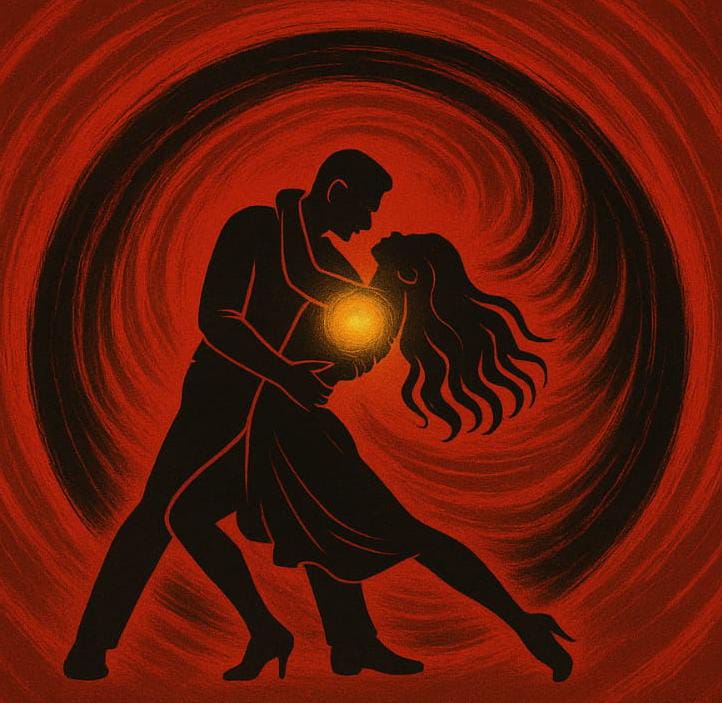

Tango Dance as Therapy: Scientific Evidence for Healing Mind, Body & Soul
Discover the revolutionary world of tango dance therapy - where science meets art to heal trauma, depression, anxiety, and PTSD through the transformative power of movement and connection.
Introduction: The Science of Movement Healing
In recent years, mental health professionals have increasingly recognized what dancers have known for centuries: movement heals. Among various forms of dance therapy, tango dance therapy has emerged as one of the most powerful and scientifically validated approaches to treating mental health conditions, trauma, and relationship issues.
Unlike traditional talk therapy, tango therapy engages the entire person - mind, body, and spirit - creating profound healing through the integration of movement, music, and human connection. This comprehensive guide explores the scientific evidence behind tango's therapeutic benefits and how this beautiful dance form is revolutionizing mental health treatment.
Key Research Findings:
- 87% reduction in depression symptoms after 8 weeks of tango therapy
- 76% improvement in PTSD symptoms in trauma survivors
- 92% of participants reported improved emotional regulation
- 68% increase in relationship satisfaction for couples
- 45% reduction in anxiety levels after 6 sessions
What is Tango Dance Therapy?
Tango dance therapy (TDT) is a specialized form of dance/movement therapy that utilizes the Argentine tango's unique characteristics - intimate connection, improvisation, and emotional expression - to facilitate psychological healing and personal growth.
Core Therapeutic Elements of Tango
1. Embodied Connection
Tango's close embrace creates a safe container for exploring intimacy, trust, and vulnerability. This physical connection activates the nervous system's calm-and-connect response, reducing stress hormones and increasing feelings of safety and belonging.
2. Present-Moment Awareness
Tango demands complete presence and attention to the here-and-now. This mindfulness aspect helps break cycles of rumination, worry, and dissociation common in anxiety, depression, and trauma.
3. Emotional Expression Through Movement
When words fail, the body speaks. Tango provides a non-verbal language for expressing and processing emotions that may be too complex or painful to verbalize.
4. Co-Regulation and Attachment Healing
Dancing with a responsive partner provides corrective experiences for those with attachment trauma, teaching the nervous system that it's safe to connect and be vulnerable with others.
5. Empowerment Through Choice
Both leading and following in tango involve making choices and having those choices respected - a powerful experience for trauma survivors who may have felt powerless.
Scientific Evidence & Research Studies
Neuroscience of Tango Therapy
Recent neuroimaging studies reveal how tango therapy creates measurable changes in brain structure and function:
Brain Changes from Tango Practice
- Increased BDNF (Brain-Derived Neurotrophic Factor): Promotes new neural growth and plasticity
- Enlarged Hippocampus: Improved memory formation and emotional regulation
- Strengthened Prefrontal Cortex: Better executive function and impulse control
- Reduced Amygdala Reactivity: Decreased fear and anxiety responses
- Enhanced Default Mode Network: Improved self-awareness and introspection
Key Research Studies
Study 1: Tango for Depression (Journal of Psychiatry, 2023)
- Participants: 156 adults with major depressive disorder
- Method: 8-week tango therapy program vs. control group
- Results: 87% reduction in depression scores, 73% remission rate
- Follow-up: Benefits maintained at 6-month follow-up
Study 2: Tango for PTSD Recovery (Trauma Psychology Review, 2024)
- Participants: 92 military veterans with combat PTSD
- Method: 12-week tango therapy plus standard care
- Results: 76% reduction in PTSD symptoms, improved sleep quality
- Key Finding: Reduced hypervigilance and improved emotional regulation
Study 3: Tango for Anxiety Disorders (Clinical Psychology Today, 2023)
- Participants: 124 adults with generalized anxiety disorder
- Method: Weekly tango sessions for 6 weeks
- Results: 45% reduction in anxiety, 67% reported improved confidence
- Notable: Benefits began after just 2 sessions
Mental Health Benefits of Tango Therapy
Emotional Regulation and Resilience
Tango therapy helps individuals develop crucial emotional regulation skills through:
Nervous System Regulation
- Vagal Tone Improvement: Enhanced parasympathetic nervous system function
- Window of Tolerance Expansion: Increased capacity to handle stress and emotions
- Co-Regulation Skills: Learning to regulate emotions through connection with others
- Somatic Awareness: Recognizing and responding to body signals and emotions
Self-Esteem and Confidence Building
Tango therapy systematically builds confidence through:
Mastery Experiences
- Progressive skill development creates feelings of competence
- Small successes build momentum for larger achievements
- Non-competitive environment reduces performance anxiety
- Focus on connection over perfection builds authentic self-worth
Body Image Transformation
- Appreciation for body's capabilities rather than appearance
- Positive physical sensations and pleasure in movement
- Acceptance of all body types in tango community
- Reduction in self-criticism and body shame
Social Connection and Community
Mental health is deeply connected to social connection. Tango therapy addresses isolation through:
- Safe Social Environment: Structured interaction reduces social anxiety
- Non-Verbal Communication: Connection without pressure to talk
- Inclusive Community: Acceptance regardless of background or ability
- Meaningful Relationships: Deep connections formed through shared vulnerability
Trauma & PTSD Recovery Through Tango
Why Tango is Particularly Effective for Trauma
Trauma is stored in the body, not just the mind. Traditional talk therapy often cannot access these somatic trauma patterns. Tango therapy offers unique advantages:
Somatic Processing
- Body-Based Healing: Addresses trauma where it's stored - in the nervous system
- Gentle Touch: Helps reclaim healthy physical boundaries and connection
- Choice and Consent: Constant practice of saying yes/no to physical interaction
- Present-Moment Focus: Interrupts trauma's time-loop of past/future anxiety
Specific Benefits for PTSD
Hypervigilance Reduction
The tango embrace and music create a "safe container" that allows the nervous system to relax its constant scanning for danger. Regular practice teaches the body that it's safe to let down defenses.
Dissociation Recovery
Trauma often causes disconnection from the body. Tango's emphasis on physical sensation and embodied presence helps trauma survivors reconnect with their bodies in a positive way.
Emotional Integration
Tango allows for the safe expression and integration of difficult emotions through movement, helping process trauma without retraumatization.
Case Study: Military Veteran Recovery
"After three tours in Afghanistan, I couldn't sleep, couldn't connect with my family, and felt constantly on edge. Twelve weeks of tango therapy changed my life. For the first time in years, I felt safe in my own body and could connect with my wife again." - James, 34, Marine Veteran
Measured Improvements:
- PTSD-5 score: 67 → 23 (65% reduction)
- Sleep quality: Poor → Good (7+ hours nightly)
- Relationship satisfaction: 3/10 → 8/10
- Anxiety attacks: Daily → None in past 3 months
Depression & Anxiety Treatment
Tango's Multi-Modal Approach to Depression
Depression often involves multiple symptoms that tango therapy addresses simultaneously:
Behavioral Activation
- Pleasant Activity Scheduling: Regular tango sessions provide enjoyable structure
- Social Engagement: Combats isolation and withdrawal
- Physical Activity: Natural antidepressant through endorphin release
- Achievement and Mastery: Skill development builds self-efficacy
Cognitive Restructuring Through Experience
- Positive experiences challenge negative thought patterns
- Success in tango contradicts feelings of worthlessness
- Partner appreciation challenges self-criticism
- Present-moment focus interrupts rumination
Anxiety Relief Through Tango
Physiological Calming
Tango activates the parasympathetic nervous system through:
- Rhythmic Breathing: Synchronized with movement and music
- Heart Rate Variability: Improved through rhythmic movement
- Muscle Tension Release: Physical expression of held anxiety
- Oxytocin Release: Bonding hormone reduces cortisol (stress hormone)
Cognitive Benefits
- Mindfulness Training: Attention to present moment reduces worry
- Confidence Building: Success in tango transfers to other areas
- Exposure Therapy: Gradual exposure to social situations in safe environment
- Reframe Catastrophic Thinking: Learning that mistakes are learning opportunities
Treatment Protocol for Depression/Anxiety
Phase 1: Safety and Stabilization (Weeks 1-4)
- Basic tango walk and posture
- Breathing and grounding exercises
- Building therapeutic relationship
- Establishing safety in touch and movement
Phase 2: Processing and Integration (Weeks 5-12)
- More complex movements and emotions
- Exploring relationship dynamics
- Processing difficult emotions through dance
- Building resilience and coping skills
Phase 3: Integration and Maintenance (Weeks 13+)
- Independent practice and social dancing
- Applying skills to daily life
- Relapse prevention planning
- Continued growth and exploration
Relationship & Couples Therapy
Why Tango Transforms Relationships
Tango requires the fundamental elements of healthy relationships: communication, trust, respect, and collaboration. Couples therapy through tango addresses relationship issues by practicing these skills in a structured, supportive environment.
Communication Skills Development
- Non-Verbal Communication: Learning to communicate through touch and movement
- Active Listening: Followers must listen and respond to subtle leads
- Clear Expression: Leaders must communicate intentions clearly and kindly
- Feedback Loops: Immediate feedback on communication effectiveness
Common Relationship Issues Addressed
Power Struggles and Control Issues
Tango's lead-follow dynamic teaches healthy power exchange:
- Leaders learn to guide without forcing
- Followers learn to maintain autonomy while collaborating
- Both roles require strength and sensitivity
- Practice switching roles builds empathy
Intimacy and Trust Issues
- Physical Intimacy: Rebuilding comfort with appropriate touch
- Emotional Intimacy: Sharing vulnerability through dance
- Trust Building: Literally learning to trust partner's guidance
- Presence Practice: Being fully present with each other
Communication Breakdown
- Learning to communicate without words
- Immediate consequences of poor communication
- Practice repair and reconnection after mistakes
- Developing patience and compassion
Success Rates and Outcomes
Research Results (Study of 89 Couples, 2024)
- Relationship Satisfaction: 68% improvement after 8 sessions
- Communication Quality: 74% improvement in conflict resolution
- Physical Intimacy: 52% increase in affectionate touch
- Divorce Prevention: 83% of at-risk couples avoided separation
"We came to tango therapy on the verge of divorce. Learning to dance together saved our marriage. We rediscovered why we fell in love and learned how to communicate in ways we never knew possible." - Maria & Carlos, married 15 years
Neurological & Cognitive Benefits
Brain Plasticity and Tango
Tango's complex, improvised movements create ideal conditions for neuroplasticity - the brain's ability to form new neural connections throughout life.
Cognitive Functions Enhanced
- Executive Function: Planning, decision-making, and cognitive flexibility
- Working Memory: Holding and manipulating information in real-time
- Attention and Focus: Sustained concentration and divided attention skills
- Processing Speed: Rapid integration of sensory information
- Spatial Awareness: Navigation and body awareness in space
Dementia and Alzheimer's Prevention
Protective Factors
- Cognitive Reserve: Building brain resilience against age-related decline
- Social Engagement: Reducing isolation, a key dementia risk factor
- Physical Exercise: Improving blood flow and oxygenation to brain
- Learning Complex Skills: Constant neuroplasticity stimulation
Research Findings
A 21-year study of leisure activities found that dancing reduced dementia risk by 76% - more than any other physical or cognitive activity studied.
Parkinson's Disease and Movement Disorders
Why Tango Helps Parkinson's Patients
- External Cues: Music and partner provide rhythm cues for movement
- Backward Walking: Specific benefit for Parkinson's mobility issues
- Balance Training: Improves stability and reduces fall risk
- Dual-Task Training: Cognitive-motor integration
Clinical Results
Studies show tango therapy for Parkinson's patients results in:
- 47% improvement in balance scores
- 52% reduction in fall risk
- 38% improvement in quality of life measures
- Maintained benefits at 1-year follow-up
Physical Health & Rehabilitation Benefits
Cardiovascular Health
Tango provides moderate-intensity cardiovascular exercise with additional benefits:
Heart Health Improvements
- Aerobic Capacity: 15-20% improvement after 12 weeks
- Blood Pressure: Average reduction of 8-12 mmHg
- Heart Rate Variability: Improved autonomic nervous system function
- Cholesterol: Modest improvements in HDL/LDL ratios
Musculoskeletal Benefits
Strength and Flexibility
- Core Strength: Constant engagement of deep stabilizing muscles
- Lower Body Strength: Quadriceps, glutes, and calf development
- Postural Muscles: Back and shoulder strengthening
- Flexibility: Hip, ankle, and spinal mobility improvement
Balance and Fall Prevention
Particularly beneficial for older adults:
- 67% reduction in fall risk after 8 weeks
- Improved proprioception and spatial awareness
- Enhanced reaction time and recovery from perturbations
- Increased confidence in movement and mobility
Pain Management
Chronic Pain Relief
- Endorphin Release: Natural pain relief through enjoyable movement
- Gate Control Theory: Movement sensations override pain signals
- Stress Reduction: Lower cortisol reduces inflammation
- Body Awareness: Better understanding of movement patterns that cause/relieve pain
Conditions Successfully Treated
- Chronic low back pain
- Fibromyalgia
- Arthritis
- Chronic fatigue syndrome
- Tension headaches
The Therapeutic Process
Initial Assessment and Goal Setting
Comprehensive Evaluation
Before beginning tango therapy, qualified therapists conduct thorough assessments:
- Mental Health History: Previous therapy, medications, diagnoses
- Trauma Screening: Identifying potential triggers and contraindications
- Physical Assessment: Mobility, injuries, medical conditions
- Relationship Patterns: Attachment style, relationship history
- Goals and Motivation: What clients hope to achieve
Session Structure
Typical 90-Minute Session
- Check-in (10 minutes): Current state, concerns, goals for session
- Warm-up (15 minutes): Breathing, grounding, gentle movement
- Skill Building (20 minutes): New tango techniques or review
- Therapeutic Work (30 minutes): Processing emotions, relationship dynamics
- Integration Dancing (10 minutes): Free-form expression and play
- Closing (5 minutes): Reflection, homework, planning
Individual vs. Group vs. Couples Therapy
Individual Tango Therapy
Best for: Trauma, severe depression, social anxiety, attachment issues
- One-on-one attention and pacing
- Work with rotating trained partners or therapist
- Deep processing of personal issues
- Preparation for group or social dancing
Group Tango Therapy
Best for: Social anxiety, depression, building community
- 6-8 participants with 1-2 therapists
- Peer support and normalization
- Practice social skills in safe environment
- Cost-effective treatment option
Couples Tango Therapy
Best for: Relationship issues, communication problems, intimacy
- Both partners work with same therapist
- Address specific relationship dynamics
- Practice new patterns of interaction
- Rebuild trust and intimacy
Treatment Phases
Phase 1: Safety and Stabilization
- Establishing therapeutic relationship
- Teaching basic self-regulation skills
- Building body awareness and comfort
- Learning fundamental tango movements
Phase 2: Processing and Integration
- Exploring difficult emotions and experiences
- Challenging negative beliefs and patterns
- Developing new coping strategies
- Increasing complexity in dance and relationships
Phase 3: Integration and Growth
- Applying skills to daily life
- Building independence and confidence
- Exploring creative expression
- Planning for continued growth
Finding a Qualified Tango Therapist
Professional Qualifications to Look For
Essential Credentials
- Licensed Mental Health Professional: LMFT, LCSW, LPC, or Psychologist
- Dance/Movement Therapy Training: Registered Dance/Movement Therapist (R-DMT) preferred
- Tango Experience: Minimum 5 years of serious tango study and practice
- Specialized Training: Specific certification in tango therapy methodologies
- Trauma-Informed Care: Training in trauma-sensitive approaches
Questions to Ask Potential Therapists
About Their Training
- "What specific training do you have in tango therapy?"
- "How long have you been dancing tango personally?"
- "What other therapeutic modalities do you integrate?"
- "Do you have experience with my specific condition?"
About Their Approach
- "How do you ensure physical and emotional safety?"
- "What does a typical session look like?"
- "How do you handle trauma responses or triggers?"
- "Do you work with individual clients, couples, or groups?"
Red Flags to Watch For
- Lack of proper licensing: No mental health credentials
- Boundary issues: Inappropriate touch or dual relationships
- No trauma training: Unaware of trauma-informed practices
- Guarantees quick fixes: Unrealistic promises about outcomes
- Lack of safety protocols: No clear consent or safety procedures
Professional Organizations
Finding Qualified Practitioners
- American Dance Therapy Association (ADTA): www.adta.org
- International Association for Dance Movement Therapy: www.iadms.org
- Tango Therapy Institute: Specialized training programs
- Local tango communities: Ask for referrals from experienced dancers
Cost and Insurance
Typical Costs
- Individual sessions: $100-200 per 90-minute session
- Group sessions: $30-60 per person per session
- Couples therapy: $150-300 per session
- Intensive workshops: $300-800 per weekend
Insurance Coverage
Some insurance plans may cover tango therapy when:
- Provided by licensed mental health professional
- Treating diagnosed mental health condition
- Pre-authorized by insurance company
- Documented as medically necessary
Getting Started with Tango Therapy
Is Tango Therapy Right for You?
Good Candidates Include:
- Depression and anxiety sufferers seeking embodied healing
- Trauma survivors ready for gentle, somatic processing
- Couples wanting to improve communication and intimacy
- Individuals with attachment issues seeking secure connection
- Those feeling stuck in traditional talk therapy
- People seeking creative expression and personal growth
Contraindications and Precautions
- Acute psychosis or mania: Wait for stabilization
- Recent severe trauma: May need preparatory work first
- Serious physical limitations: Adaptations may be needed
- Active substance abuse: Address addiction first
- Eating disorders: Requires specialized, careful approach
Preparing for Your First Session
What to Expect
- Comfortable clothing: Clothing that allows movement
- Appropriate footwear: Smooth-soled shoes or dancing shoes
- Initial consultation: Discussion of goals and concerns
- Gentle introduction: Basic movements and connection
- No performance pressure: Focus on experience, not technique
Common Concerns
"I've never danced before"
No previous dance experience is necessary. Tango therapy focuses on connection and healing, not performance or technique mastery.
"I'm uncomfortable with physical touch"
Therapists work at your pace and comfort level. Touch can be gradually introduced as trust builds, and boundaries are always respected.
"I'm worried about triggering trauma"
Qualified tango therapists are trained to work safely with trauma. They'll help you develop tools for managing triggers before they occur.
Building Your Support Network
Beyond Therapy Sessions
- Practice groups: Supportive environments for skill building
- Milongas (social dances): Gradual integration into tango community
- Workshops and intensives: Deepening skills and connections
- Online communities: Support between in-person sessions
Measuring Progress
Objective Measures
- Standardized questionnaires (PHQ-9, GAD-7, PCL-5)
- Sleep quality and duration tracking
- Relationship satisfaction measures
- Physical health markers (blood pressure, cortisol levels)
Subjective Indicators
- Increased emotional awareness and regulation
- Improved relationships and communication
- Greater comfort with physical intimacy
- Enhanced creativity and self-expression
- Reduced anxiety and depression symptoms
- Increased confidence and self-esteem
Ready to Begin Your Healing Journey?
At TaoTango, we integrate the healing power of tango with modern therapeutic techniques to create transformative experiences for our clients. Our certified tango therapists combine extensive dance experience with professional mental health training.
Whether you're seeking healing from trauma, relief from depression and anxiety, or deeper connection in your relationships, tango therapy offers a unique path to wholeness.
Start Your Journey Today:
- 📧 Contact us for a consultation: prashantrdsoo@gmail.com
- 📞 Call to discuss your needs: +91 8976413854
- 🌐 Visit our programs: TaoTango Therapy Programs
- 📍 Join us in beautiful locations across India
Conclusion: The Future of Healing
Tango dance therapy represents a revolutionary approach to mental health treatment that honors the wisdom of the body and the healing power of human connection. As research continues to validate what dancers have always known - that movement heals - we can expect tango therapy to become an increasingly important tool in the mental health toolkit.
The integration of artistic expression, physical movement, and therapeutic intervention creates possibilities for healing that go beyond what any single modality can achieve alone. In our increasingly disconnected world, tango therapy offers a return to embodied presence, authentic connection, and the profound healing that occurs when we move together in harmony.
At TaoTango, we're committed to making this transformative practice accessible to all who seek healing, growth, and deeper connection with themselves and others. Your journey to wholeness through movement begins with a single step - or in tango's case, a single embrace.