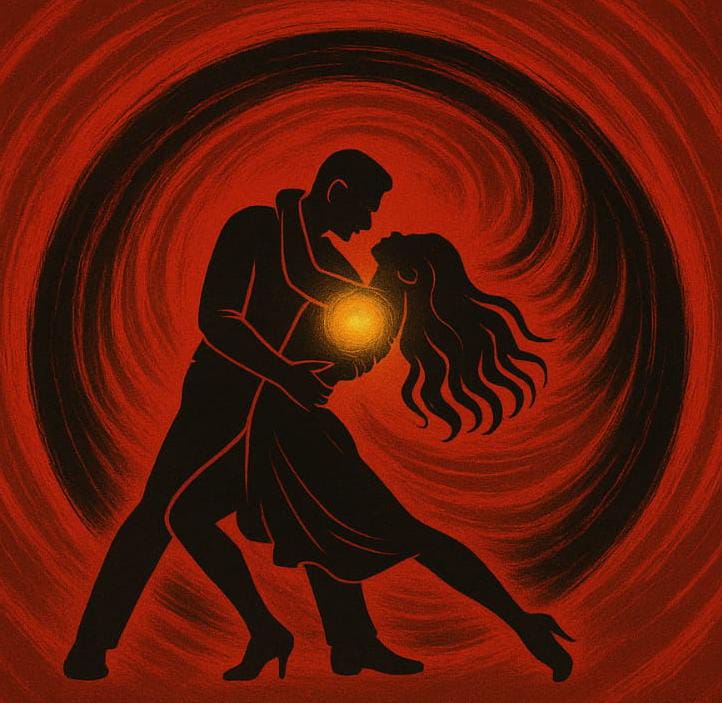
Nuevo Tango Culture: The Revolutionary Movement Breaking Traditional Norms
Exploring how nuevo tango is reshaping the dance through innovation, experimentation, and challenging centuries-old conventions
What is Nuevo Tango?
Nuevo tango (literally "new tango") represents a revolutionary approach to Argentine tango that emerged in the late 1990s and early 2000s. Unlike traditional tango, which emphasizes strict codes and historical authenticity, nuevo tango embraces experimentation, innovation, and creative freedom while maintaining the essential connection and musicality of the dance.
The movement was largely pioneered by dancers like Gustavo Naveira and Fabián Salas in Buenos Aires, who began systematically analyzing tango's mechanics and exploring new possibilities of movement beyond traditional patterns.
The Cultural Divide: Traditional vs. Nuevo
Traditional Tango Culture
Traditional tango culture is rooted in:
- Historical Codigos (codes): Strict social rules governing milonga behavior, including the cabeceo (eye contact invitation system) and line of dance etiquette
- Golden Age Reverence: Focus on the 1940s-1950s as the pinnacle of tango authenticity
- Gendered Roles: Traditional masculine leader and feminine follower dynamics
- Sequential Vocabulary: Established patterns and sequences passed down through generations
- Musical Orthodoxy: Dancing primarily to traditional tango orchestras (D'Arienzo, Di Sarli, Pugliese, etc.)
- Close Embrace Primacy: Emphasis on milonguero-style close embrace as the "authentic" form
Nuevo Tango Culture
Nuevo tango culture emphasizes:
- Movement Innovation: Exploring new possibilities through systematic analysis of tango mechanics
- Musical Diversity: Dancing to non-traditional music including alternative tango, neotango, and even non-tango genres
- Fluid Roles: Encouraging both partners to lead and follow, breaking gender norms
- Open Communication: Verbal invitations and discussion replacing silent codes
- Technical Exploration: Incorporating off-axis movements, colgadas, volcadas, and dynamic explorations
- Variable Embrace: Freedom to change embrace styles and distances during a single dance
- Individual Expression: Prioritizing personal interpretation over adherence to tradition
Breaking the Norms: Key Rebellions of Nuevo Tango
1. Challenging the Cabeceo System
Traditional milongas use the cabeceo - a subtle system of eye contact where men invite women to dance from across the room. Nuevo tango communities often reject this as:
- Reinforcing outdated gender dynamics
- Creating hierarchical social structures
- Limiting spontaneous connections
- Making beginners feel excluded
The nuevo approach: Direct verbal invitations, open communication, and women freely asking anyone to dance, regardless of gender.
2. Deconstructing Gender Roles
Perhaps the most radical departure from tradition is nuevo tango's approach to gender and roles:
- Role-Switching: Partners exchanging lead and follow roles mid-dance
- Queer Tango: Embracing same-sex partnerships and non-binary dancers
- Shared Leadership: Both partners initiating movements and co-creating the dance
- Technical Equality: Teaching all students both roles from the beginning
This challenges tango's historical association with machismo and heteronormative culture, making the dance accessible and empowering for all identities.
3. Musical Revolution
Traditional tango purists often insist on dancing only to Golden Age orchestras. Nuevo tango exploded this limitation:
Alternative Tango (Tango Alternativo)
- Electronic music with tango elements (Gotan Project, Bajofondo)
- Contemporary tango orchestras (Color Tango, Tanghetto)
- Fusion with other genres (jazz, rock, classical)
- Non-tango music interpreted through tango movement
This opened tango to younger generations and created new emotional landscapes for expression beyond nostalgia and melancholy.
4. Technical Innovation and Off-Axis Movement
Nuevo tango systematically explored movements that traditional tango considered "incorrect" or "show tango":
- Colgadas: Shared off-axis movements where both dancers lean away from each other
- Volcadas: Controlled falls where the follower leans dramatically while the leader provides counterbalance
- Ganchos (hooks): Dynamic leg wraps and hooks
- Boleos: Circular whipping movements of the leg
- Sacadas: Displacement movements where dancers appear to "take" each other's space
These movements, analyzed and made safe through systematic study, became accessible to social dancers rather than being reserved for stage performance.
5. The Embrace Revolution
Traditional tango often prescribes specific embrace styles for specific contexts (milonguero for social dancing, salon for performances). Nuevo tango embraces fluidity:
- Changing embrace distance dynamically within a single song
- Opening and closing the embrace as the music suggests
- Using "v-embrace" for certain movements
- Experimenting with hand positions and connection points
The Philosophy Behind the Revolution
Tango as a Living Dance
Nuevo tango rejects the notion that tango reached perfection in the 1940s and should be preserved in amber. Instead, it views tango as:
- A living, evolving art form
- A conversation between past and present
- A dance that should reflect contemporary values
- An experiment in human connection and creativity
Democratization of Knowledge
Traditional tango culture often relied on:
- Secret knowledge passed only through private lessons
- Mystical explanations of connection and feeling
- Exclusive communities gatekeeping access
Nuevo tango's response: Systematic teaching methods, biomechanical analysis, and open sharing of knowledge through workshops, videos, and detailed explanations of how movements work.
Inclusivity Over Exclusivity
Where traditional milongas might exclude beginners, enforce dress codes, or maintain social hierarchies, nuevo tango communities often prioritize:
- Welcoming beginners and creating safe learning spaces
- Casual dress codes emphasizing comfort over formality
- Flat social structures where everyone dances with everyone
- Accessibility for people of all ages, body types, and abilities
The Controversies and Criticisms
Traditional Objections
Traditionalists often criticize nuevo tango for:
- "It's Not Real Tango": Claiming nuevo movements lack authenticity
- Safety Concerns: Worrying that complex movements cause collisions on crowded floors
- Loss of Culture: Fearing dilution of tango's historical and cultural significance
- Showing Off: Accusing nuevo dancers of prioritizing performance over connection
- Disrespect for Elders: Viewing innovation as dismissing the wisdom of previous generations
Nuevo's Response
Nuevo tango advocates counter that:
- All tango was once "nuevo" - the Golden Age masters were innovators in their time
- Safety comes from training and awareness, not limiting vocabulary
- Culture evolves or dies - nuevo keeps tango relevant to new generations
- Connection is enhanced, not diminished, by greater movement possibilities
- Respecting tradition doesn't mean being imprisoned by it
The Impact on Global Tango Culture
Geographic Spread
Nuevo tango found particularly fertile ground in:
- Europe: Berlin, Paris, and London became nuevo hotspots
- North America: San Francisco, Portland, and New York embraced alternative scenes
- Asia: Japan and South Korea incorporated nuevo into their growing tango communities
- India: Nuevo's inclusive philosophy resonated with India's spiritual dance culture (as practiced at TaoTango)
Festival Culture
Nuevo tango created its own festival circuit:
- Alternative tango marathons with 24+ hours of dancing
- Encuentros (gatherings) emphasizing community over competition
- Fusion festivals combining tango with other dance forms
- Outdoor festivals in non-traditional settings
Finding Balance: The Modern Synthesis
Beyond the Binary
Many dancers today reject the traditional vs. nuevo dichotomy, instead embracing:
- Dancing both styles depending on music and context
- Respecting tradition while exploring innovation
- Learning from all lineages and approaches
- Creating personal styles that honor multiple influences
The "Tango Evolution" Perspective
Rather than seeing traditional and nuevo as opposing forces, many view them as:
- Different points on a spectrum of expression
- Complementary approaches that enrich the overall dance
- Tools in a dancer's toolkit to be used appropriately
- Manifestations of tango's inherent adaptability
Nuevo Tango at TaoTango India
At TaoTango, we embrace nuevo tango's revolutionary spirit while honoring traditional foundations. Our approach includes:
- Role Fluidity: All students learn both leading and following from day one
- Musical Diversity: Dancing to traditional orchestras, alternative tango, and fusion music
- Technical Innovation: Teaching nuevo movements within the context of safety and musicality
- Inclusive Community: Welcoming dancers of all genders, orientations, and backgrounds
- Spiritual Integration: Combining nuevo's innovative spirit with India's mindfulness traditions
- Cultural Respect: Understanding tango's history while creating its future
The Future of Tango Culture
The nuevo tango revolution has fundamentally changed global tango culture. Whether in traditional milongas adapting to include more diversity or nuevo communities discovering the beauty of Golden Age music, the conversation continues.
Emerging Trends
- Queer Tango Growth: LGBTQ+ tango communities worldwide
- Digital Innovation: Online classes, virtual milongas, and global collaborations
- Fusion Exploration: Tango combined with contemporary dance, contact improvisation, and other forms
- Social Justice Integration: Using tango as a tool for activism and community building
- Wellness Applications: Tango therapy, mindful tango, and somatic approaches
Conclusion: Revolution as Evolution
Nuevo tango's breaking of traditional norms isn't rebellion for rebellion's sake - it's the natural evolution of a living art form. By challenging outdated gender roles, opening musical possibilities, democratizing knowledge, and prioritizing inclusivity, nuevo tango ensures that tango remains relevant, vibrant, and transformative for 21st-century dancers.
The supposed conflict between traditional and nuevo may ultimately be false. Both preserve what's essential about tango: the intimate conversation between two people, expressed through music and movement. Everything else - the rules, the style, the music - are tools in service of that fundamental human connection.
As tango continues to evolve, dancers who understand both approaches - who can appreciate the elegance of a simple walk to Di Sarli and the exhilaration of a dramatic colgada to Gotan Project - will find the richest expression of what tango can be.
Experience Both Worlds at TaoTango
Join us in India to explore traditional tango foundations and nuevo innovations in a spiritually enriching environment. Our classes honor tango's past while creating its future.
Explore Our Classes