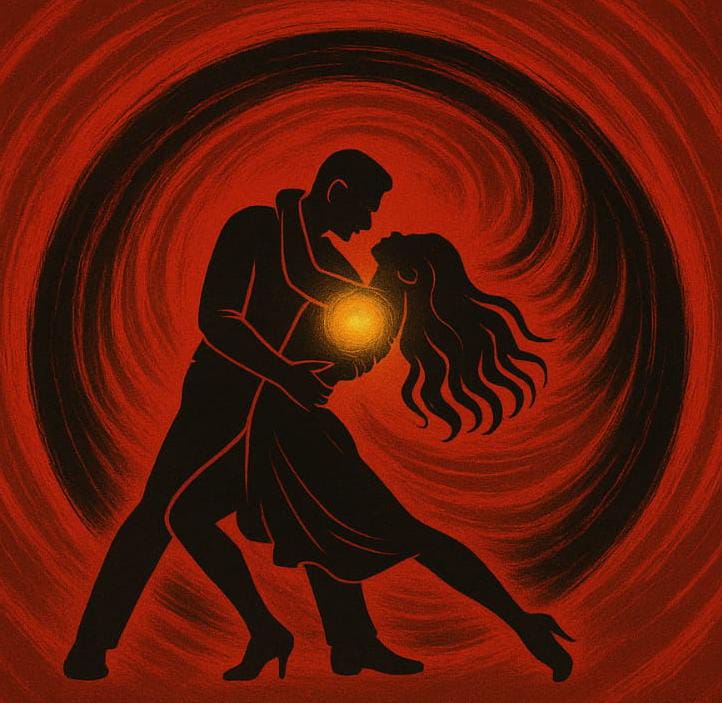
The Rhythms of History: The Evolution of Tango Music
Tracing the heartbeat of Argentina from 19th-century port towns to the world's most prestigious concert halls.
"Tango is a sad thought that can be danced." - Enrique Santos Discépolo
The Birth: A Melting Pot of Sound (1850-1890)
Tango didn't emerge in a vacuum. It was born in the arrabales (slums) of Buenos Aires and Montevideo, where a unique collision of cultures took place. European immigrants, formerly enslaved Africans, and local gauchos lived side-by-side, blending their musical traditions into something entirely new.
The early ancestors of tango music include:
- Candombe: African-inspired rhythms characterized by heavy percussion.
- Habanera: A Cuban syncopated rhythm that provided the "2x4" foundation.
- Milonga Camperas: Rural folk songs brought by the gauchos to the city.
The Arrival of the Bandoneon
Perhaps the most defining moment in tango history was the arrival of the bandoneon. Originally designed in Germany for church music where organs were too expensive, it found its way to the Rio de la Plata. Its wheezing, melancholic sound became the very soul of tango, replacing the more cheerful flute and violin as the lead instrument.
The Old Guard (La Guardia Vieja: 1890-1920)
During this era, tango was still associated with the underworld—brothels, bars, and street corners. The music was faster, more playful, and often improvised. It was during this period that the Orquesta Típica began to take shape, usually consisting of two bandoneons, two violins, a piano, and a double bass.
The New Guard (La Guardia Nueva: 1920-1935)
As tango traveled to Paris and became a sensation, it gained respectability back home. Composers like Julio de Caro introduced more complex harmonies and slower tempos. This was also the rise of the Tango Canción (Tango Song), spearheaded by the legendary Carlos Gardel. Gardel’s voice turned tango into a narrative art form, telling stories of heartbreak, nostalgia, and the city.
The Golden Age (1935-1955)
This is when tango reached its absolute zenith. The music became highly sophisticated yet remained profoundly danceable. Massive orchestras led by icons like Juan D'Arienzo, Aníbal Troilo, Osvaldo Pugliese, and Carlos Di Sarli dominated the airwaves and dance halls. Each orchestra had a distinct "color" and rhythmic drive, creating a rich tapestry for dancers to interpret.
Tango Nuevo: The Revolution (1960-1990)
As rock and roll took over, tango faced a decline in popularity. Then came Astor Piazzolla. A virtuoso bandoneonist, Piazzolla revolutionized the genre by incorporating jazz and classical elements. His "Tango Nuevo" wasn't always intended for dancing; it was meant for the concert hall. While controversial at first among traditionalists, it ensured tango's survival as a serious global art form.
Contemporary Tango (2000-Present)
Today, tango music continues to evolve. From the electronic beats of Gotan Project to a new generation of acoustic orchestras returning to the Golden Age style with modern recording techniques, tango remains a living, breathing language.
Experience the Rhythm
At TaoTango, we don't just teach steps; we teach you how to listen to the soul of the music.
Join a Class